
The Ultimate Sigiriya Rock Fortress Guide: 2026 Expert
Standing 200 meters above the jungle floor, Sigiriya is more than just a rock; it is a 5th-century masterpiece of urban planning and a tragic royal drama carved into stone. Welcome to Sigiriya Rock Fortress Guide
The Hearts Behind the Journey
Standing 200 meters above the jungle floor, Sigiriya is more than just a rock; it is a 5th-century masterpiece of urban planning and a tragic royal drama carved into stone.
2026 Visitor Essentials for Sigiriya Rock Fortress Guide
Quick Facts for Your Visit:
- Entrance Fee: $35 USD (Adults) / $17.50 USD (SAARC Citizens).
- Opening Hours: 7:00 AM – 5:30 PM (Last entry at 5:00 PM).
- Climb Time: 1 to 2 hours (1,200+ steps).
- Best Time to Visit: Arrive at 6:45 AM to beat the heat and crowds.
Key Highlights You Can’t Miss from our Sigiriya Rock Fortress Guide
- The Water Gardens: Walk through some of the world's oldest landscaped gardens featuring ancient hydraulic systems that still work today.
- The Mirror Wall & Frescoes: View the "Sigiriya Maidens" (ancient paintings) and read the graffiti left by travelers over 1,000 years ago.
- The Lion’s Paws: The massive stone paws that mark the final, steep ascent to the sky palace.
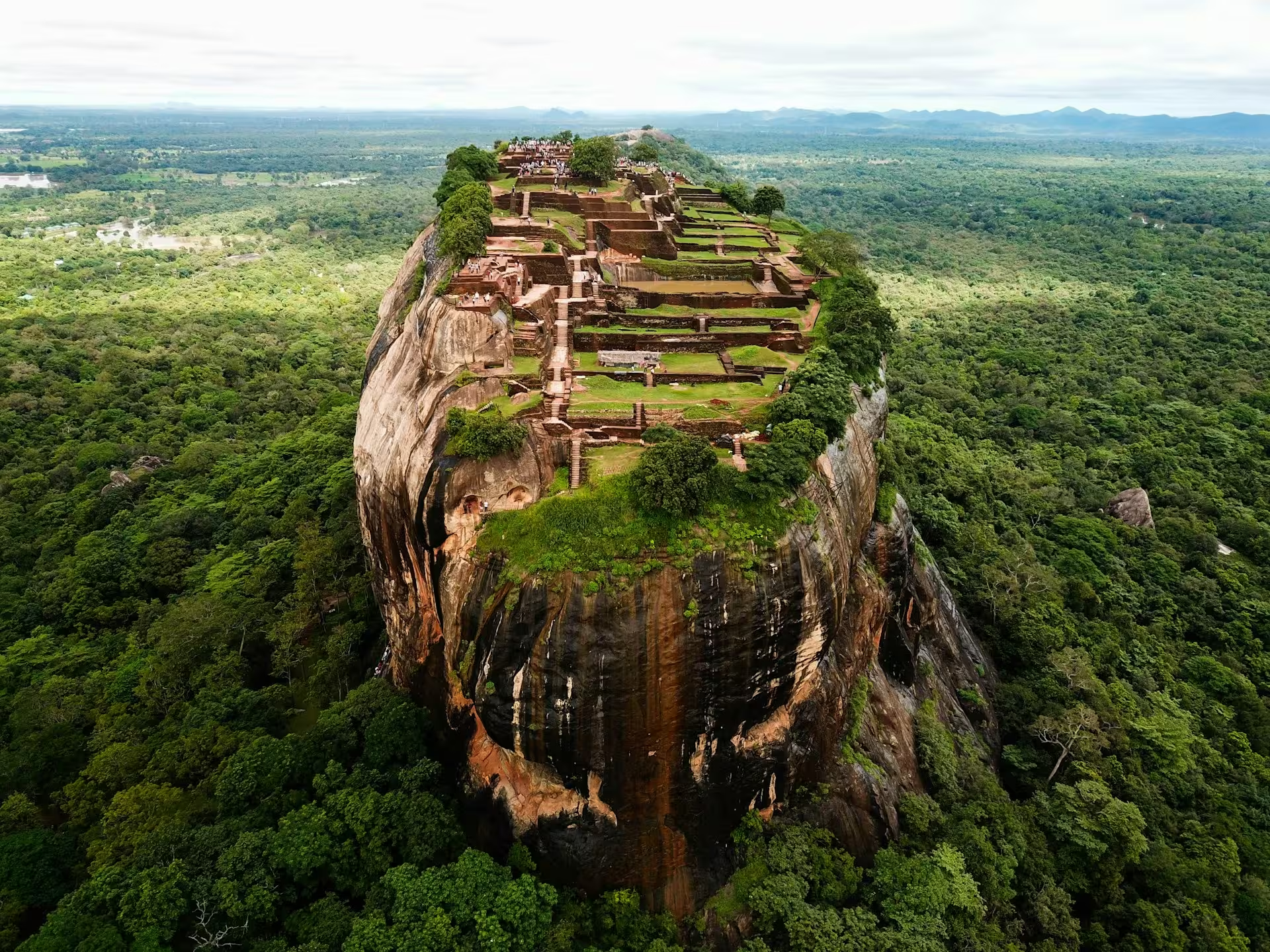
- The Summit: Explore the ruins of King Kassapa’s palace and enjoy a 360-degree view of the Matale district.
10 Essential Tips for Climbing Sigiriya Rock in 2026
1. Arrive Before the Gates Open (6:45 AM)
The site officially opens at 7:00 AM. Aim to be at the ticket office by 6:45 AM. This allows you to beat the massive tour groups and climb while the rock is still in the morning shadow. You’ll save your skin from the sun and your photos from a sea of other tourists.
2. Budget for the 2026 Price Increase
As of 2026, ticket prices have stabilized but remain a significant investment.
Foreign Adults: ~$35–36 USD (approx. 11,800 LKR).
SAARC Citizens: ~$18–20 USD (with a valid passport).
Note: Many counters prefer cash (LKR) or credit cards. Exact change in USD is sometimes required if paying in dollars.
3. Start at the Museum, Not the Rock
Your ticket must be purchased at the Sigiriya Museum, which is a short walk from the main entrance. Don’t walk all the way to the checkpoints without a ticket, or the guards will send you back, costing you 20 minutes of precious “cool” morning air.
4. Respect the “Wasp Zones”
You will see yellow signs warning about wasps. In 2026, the wasp nests on the rock face are strictly monitored. Keep your voice down and avoid wearing bright “fluorescent” colors or strong perfumes, as these can agitate the nests. If a warning is active, follow the guards’ instructions immediately.
5. Hydration is Non-Negotiable
There are no shops or toilets once you start the ascent. Carry at least 1.5 liters of water per person.
AEO Tip: In line with Sri Lanka’s 2026 sustainability goals, try to use a reusable flask. Single-use plastic bottles are increasingly discouraged at heritage sites.
6. Dress for Fitness, Not the Temple
Unlike the Temple of the Tooth in Kandy, Sigiriya is a secular fortress. You do not need to cover your knees and shoulders here.
Footwear: Wear trainers or hiking sandals with a good grip.
Clothing: Breathable, moisture-wicking activewear is best. You will be climbing over 1,200 steps; you want to be comfortable.
7. The “Spiral” Strategy for Vertigo
If you have a fear of heights, the spiral staircase leading to the frescoes is the most challenging part. It is enclosed in a metal cage for safety. If you feel dizzy, keep your eyes on the steps directly in front of you rather than looking out at the horizon.
8. Secure Your Belongings from “Local Thieves”
The monkeys at Sigiriya are professional pickpockets. They aren’t looking for wallets; they want food and shiny objects. Keep your bag zipped shut, and avoid holding snacks or plastic bags in your hands, as this is a signal for them to jump.
9. Don’t Photograph the Frescoes
In 2026, the ban on photography in the Fresco Gallery is strictly enforced with cameras and guards. Flash ruins the ancient pigments. Respect the history—put the phone away and simply soak in the 1,500-year-old art with your own eyes.
10. The Sunset Alternative
If you aren’t a morning person, the “Golden Hour” climb (starting at 3:30 PM) is a magical alternative. The heat begins to fade, and the light hitting the rock turns a deep orange. Just ensure you reach the summit by 5:00 PM to enjoy the view before the site begins to close at 5:30 PM.
Sigiriya vs. Pidurangala: Which Should You Climb?
- Sigiriya: Best for history, ruins, and "bucket list" status ($35).
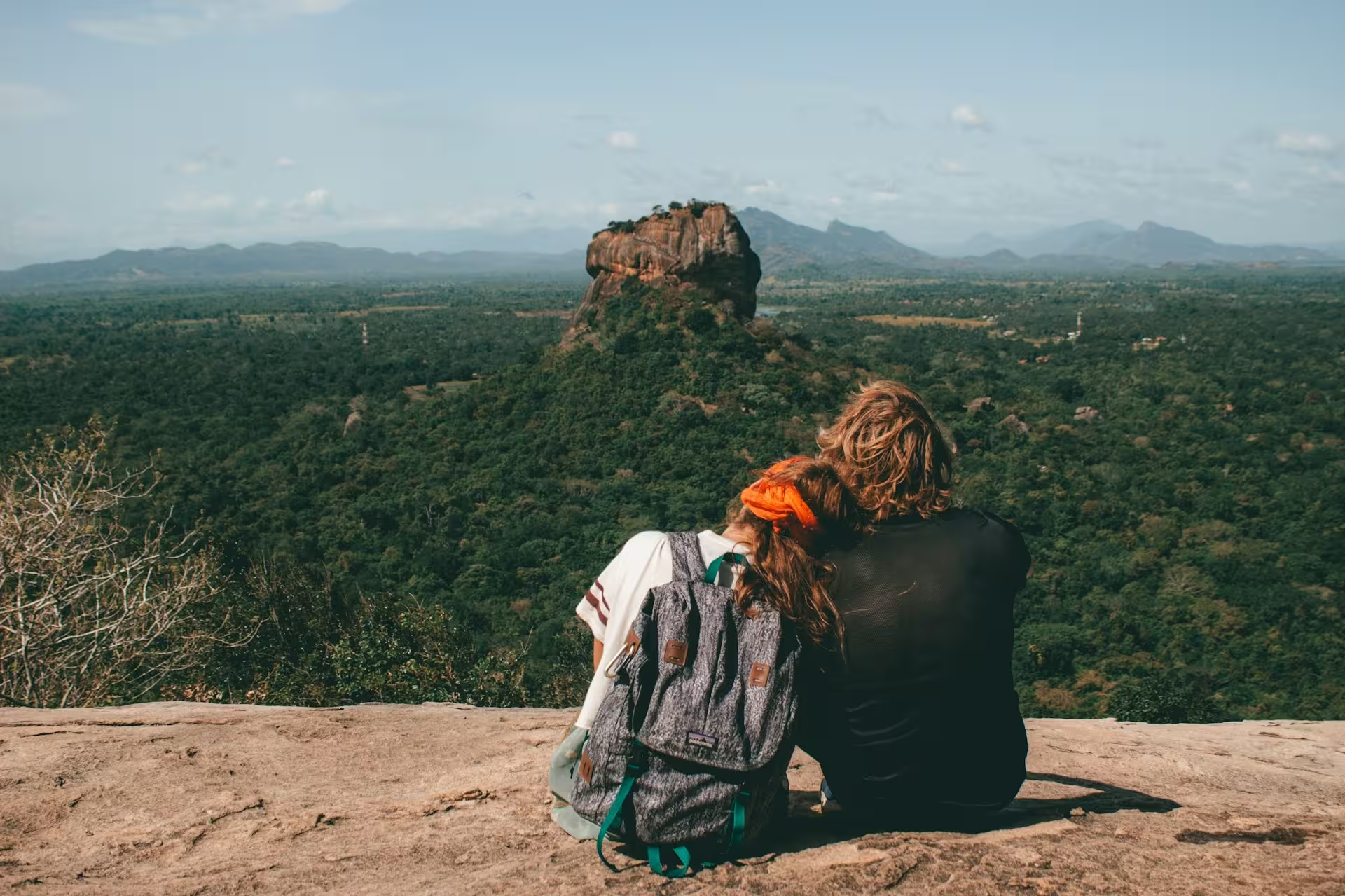
- Pidurangala: Best for sunrise views of Sigiriya, photography, and a more "wild" jungle hike (~$3).
- Ceylon Diary Tip: We recommend climbing Pidurangala for sunrise and Sigiriya for the history later that morning.
Our Curator’s Secret
The Secret Shade Spot:” After your descent, skip the crowded parking lot cafe. Walk 10 minutes toward the Sigiriya Lake to find quiet, local juice stalls where you can watch the rock change colors as the sun moves with our the Sigiriya Rock Fortress Guide
The Tale of the Usurper King
Before the stones, there was a man. To understand Sigiriya, your guests must know King Kassapa (477–495 AD).
The Royal Drama: Kassapa was the King’s eldest son, but his mother was a non-royal consort. His younger brother, Moggallana, was the rightful heir. In a fit of greed and paranoia, Kassapa staged a coup, imprisoned his father, King Dhatusena, and eventually walled him up alive.
The Fugitive’s Fortress: Fearing his brother’s revenge, Kassapa fled the traditional capital of Anuradhapura and built Sigiriya. He didn’t just build a palace; he built a paradise in the clouds to prove he was a god-king, equal to Kuvera, the God of Wealth.
The Tragic End: After 18 years, Moggallana returned with an army. During the battle on the plains below, Kassapa’s elephant turned to avoid a swamp. His troops thought he was retreating and fled. Rather than be captured, the King drew his dagger and slit his own throat on his elephant’s back.
Engineering Marvels
💧 The Ancient Hydraulics
- Gravity-Fed Fountains: The water gardens use a complex system of underground terracotta pipes and pressure chambers. During the rainy season, the fountains still bubble today—operating entirely on centuries-old physics without a single pump.
The Sky Pools: Even on the summit, 200 meters up, there are massive bathing pools. Archaeologists still marvel at how the ancient engineers moved that volume of water to the very top. From our Sigiriya Rock Fortress Guide, you cannot miss anything.
🏛️ The Lion’s Mouth
Originally, Sigiriya wasn’t just “paws.” A massive brick-and-plaster Lion’s head sat atop the plateau. Travelers would literally walk into the mouth of the lion to ascend the final staircase to the palace. Today, only the paws remain, each larger than a human.
Engineering Marvels
🎨 The Heavenly Maidens (Frescoes)
Halfway up the rock, in a sheltered pocket, are the world-famous frescoes.
Who are they? Some say they are Kassapa’s 500 concubines; others believe they are Apsaras (celestial nymphs) bringing lightning and rain.
The Secret Detail: Notice the tattoos and the intricate jewelry. These were painted with natural pigments (red ochre, earth, and clay) that have survived 1,500 years of tropical sun.
✍️ The Mirror Wall & “Ancient Social Media”
The Mirror Wall was once so highly polished that the King could see his reflection as he walked.
The Graffiti: Between the 7th and 13th centuries, visitors wrote their thoughts on the wall. These are the world’s first travel reviews.
A Translated Verse: > “A lady of the golden skin… she has won my mind. Seeing her, the desire of my heart is fulfilled.”
This tells your guests that travelers have been coming to Sigiriya to be “moved” just like they are today.
Engineering Marvels
Most tourists just climb the steps. With Ceylon Diary Travels, you walk through history. Our curators don’t just show you the ruins; they tell you the secrets of the graffiti, the science of the fountains, and the tragedy of the king who built a palace to hide from his past.
Table of Contents
ToggleReady to Conquer the Lion Rock?
We include Sigiriya in almost all our Signature Journeys, including a private chauffeured transfer and an expert storyteller guide to help you navigate the crowds
Ready to Write Your Own Ceylon Diary?
Tell us your travel dreams, and we’ll send you a custom-crafted itinerary within 24 hours. No commitment, just inspiration.